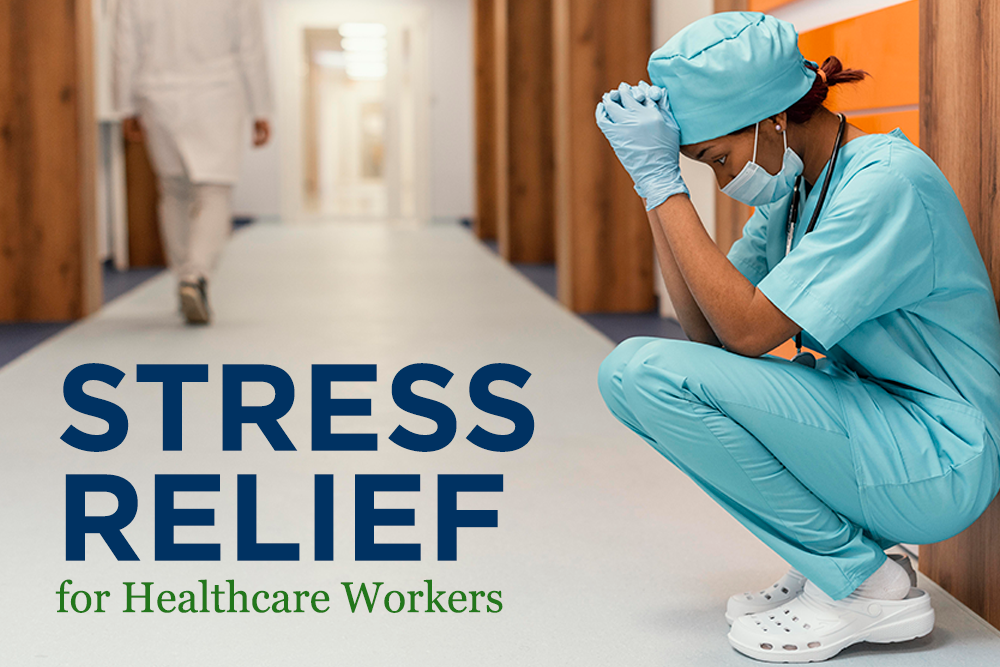
Have you ever noticed your shoulders creeping up toward your ears during a long shift in the unit? Or realized your jaw has been clenched since your last patient handoff? You aren’t alone. Finding effective stress relief for healthcare workers is essential in the fast-paced world of healthcare. Stress often settles into our bodies before we even realize we’re overwhelmed.
While we often talk about the mental toll of a busy schedule, the physical symptoms can be just as taxing if left unaddressed. Memorial Health wants to help you recognize these hidden physical signals and provide simple, actionable ways to find relief—even when you’re constantly on the move.
Identifying the Physical Red Flags of Stress
We often think of stress as a “mind” problem, but your body is usually the first to send out an SOS. For many healthcare workers and community members, stress manifests in subtle but persistent ways:
Jaw Tightness: Clenching your teeth is a common physical reaction to high-pressure clinical situations.
Heart Racing: That sudden fluttering in your chest can be a direct response to a spike in cortisol during a hectic shift.
Muscle Tension: Tightness in the neck and shoulders is often a sign that you’re carrying the physical weight of your patient load.
By increasing your awareness, you can catch these symptoms early and prevent them from turning into chronic aches or burnout.
3 Simple Resets for Immediate Relief
Achieving stress relief for healthcare workers doesn’t require a gym membership or an hour of free time. Whether you are at a nursing station, in a patient room, or walking the halls, these three exercises can be done anywhere.
The Exhale Shoulder Drop: As you walk between rooms, inhale deeply and shrug your shoulders to your ears. As you exhale, let them drop completely. Repeat three times to release the tension held in your upper back.
The Tongue-Drop Reset: You can do this even while wearing a mask. Place your tongue on the roof of your mouth behind your front teeth, then let it drop and your jaw relax. This simple shift can stop a tension headache before it starts.
The Doorframe Stretch: Whenever you pass through a doorway, place your forearms on the frame and lean forward slightly to stretch your chest. This counters the hunching that happens when we are stressed or charting.
Why Wellness Starts with the Body
Improving your health isn’t just about one-time fixes; it’s about building small, sustainable habits. We encourage you to check in with your body at least three times a day. Ask yourself: Where am I holding tension right now?
At Memorial Health, we believe in supporting the well-being of our entire team and community. Taking five minutes to breathe and stretch is a vital part of providing the best care for others.
Take Charge of Your Well-Being
Stress is an inevitable part of life, but it doesn’t have to control your physical health. By recognizing symptoms like jaw tightness and implementing quick resets between tasks, you can regain control and find your calm.
Resources:
https://www.mayoclinic.org/healthy-lifestyle/stress-management/in-depth/stress-symptoms/art-20050987
https://mhanational.org/resources/is-your-body-sending-warning-signs-about-your-mental-health/
Disclaimer:
The Memorial Health System of Southwest Oklahoma (MHS) website does not provide specific medical advice for individual cases. MHS does not endorse any services obtained through information provided on this site, articles on the site or any links on this site.
Use of the information obtained by the Memorial Health System of Southwest Oklahoma website does not replace medical advice given by a qualified medical provider to meet the medical needs of our readers or others.
While content is frequently updated, medical information changes quickly. Information may be out of date, and/or contain inaccuracies or typographical errors. For questions or concerns, please contact us at contact@memorialhealthswok.com.