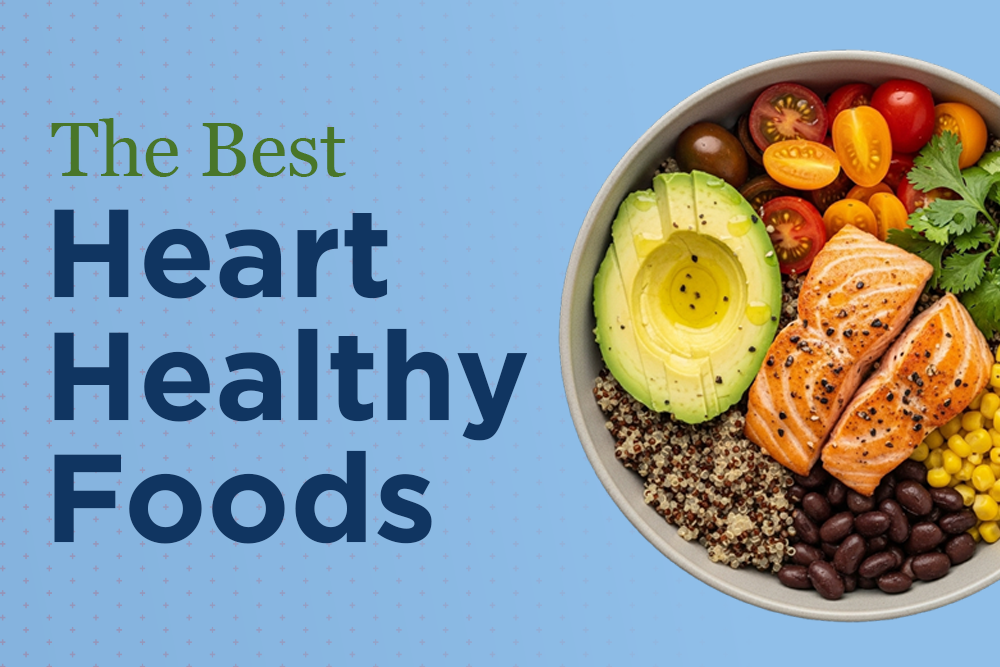
Did you know that your heart beats about 100,000 times a day, pumping oxygen-rich blood to your body? It is the hardest working muscle you own, yet many of us take its health for granted until a problem arises. With February being American Heart Month, there is no better time to evaluate what you’re putting on your plate. By choosing the right heart-healthy foods, you can lower your blood pressure, reduce cholesterol, and decrease inflammation. In this guide, we will explore the ingredients that nourish your cardiovascular system and how you can easily integrate them into your daily routine.
Why Your Diet Matters for Your Heart
When we talk about heart health, we often focus on what to avoid—like trans fats and excessive sodium. However, focusing on what you should add to your diet is far more empowering. A diet rich in heart-healthy foods isn’t about deprivation; it’s about abundance.
When you consume nutrient-dense foods, you provide your body with antioxidants, fiber, and healthy fats that act as a shield for your arteries. Let’s take a look at some specific foods we recommend for a stronger, more resilient heart.
Leafy Green Vegetables
Leafy greens like spinach, kale, and collard greens are famous for their wealth of vitamins and minerals. Specifically, they are high in Vitamin K, which protects your arteries and promotes proper blood clotting.
Furthermore, they are rich in dietary nitrates, which have been shown to reduce blood pressure and improve the function of the cells lining your blood vessels. Pro Tip: Don’t like salads? Toss a handful of spinach into your morning fruit smoothie. You won’t even taste it, but your heart will feel the difference.
Fatty Fish and Omega-3s
If you’re looking for a miracle nutrient for the heart, Omega-3 fatty acids are it. Fatty fish such as salmon, mackerel, sardines, and tuna are loaded with these healthy fats. Research indicates that eating fish regularly can lower long-term risks of arrhythmias and clogged arteries.
If you aren’t a fan of seafood, you can still find heart-healthy foods in the plant kingdom, like walnuts, chia seeds, and flaxseeds.
Berries and Whole Grains
Strawberries, blueberries, and raspberries are packed with antioxidants like anthocyanins, which protect against oxidative stress. Pair these with whole grains—like oats, quinoa, or barley—to add essential fiber to your diet. The high fiber content in these heart-healthy foods helps “sweep” bad LDL cholesterol out of your system, reducing your risk of heart attacks.
Avocados and Healthy Fats
Avocados have taken the culinary world by storm, and for good reason. They are an excellent source of heart-healthy monounsaturated fats, which have been linked to reduced levels of cholesterol and a lower risk of heart disease.
Moreover, avocados are incredibly high in potassium, a nutrient that is essential to heart health. In fact, one avocado provides 28% of your daily potassium needs. Consuming enough potassium is linked to lower blood pressure and a decreased risk of stroke.
Take Control of Your Heart Health Today
Transitioning to a lifestyle centered on heart-healthy foods doesn’t have to happen overnight. At Memorial Health, we remind our patients that consistency beats intensity. Your heart works tirelessly for you. Return the favor by making simple swaps, like trading midday chips for walnuts or choosing brown rice over white.
From the crisp crunch of leafy greens to the richness of an avocado, incorporating heart-healthy foods into your kitchen is as delicious as it is rewarding. Of course, nutrition is just one piece of the puzzle—regular exercise and stress management are equally vital.
If you have concerns about your cardiovascular health, contact our Heart and Vascular Services today to schedule a consultation with one of our experts.
Resources:
https://www.heart.org/en/healthy-living/healthy-eating
Disclaimer:
The Memorial Health System of Southwest Oklahoma (MHS) website does not provide specific medical advice for individual cases. MHS does not endorse any services obtained through information provided on this site, articles on the site or any links on this site.
Use of the information obtained by the Memorial Health System of Southwest Oklahoma website does not replace medical advice given by a qualified medical provider to meet the medical needs of our readers or others.
While content is frequently updated, medical information changes quickly. Information may be out of date, and/or contain inaccuracies or typographical errors. For questions or concerns, please contact us at contact@memorialhealthswok.com.