
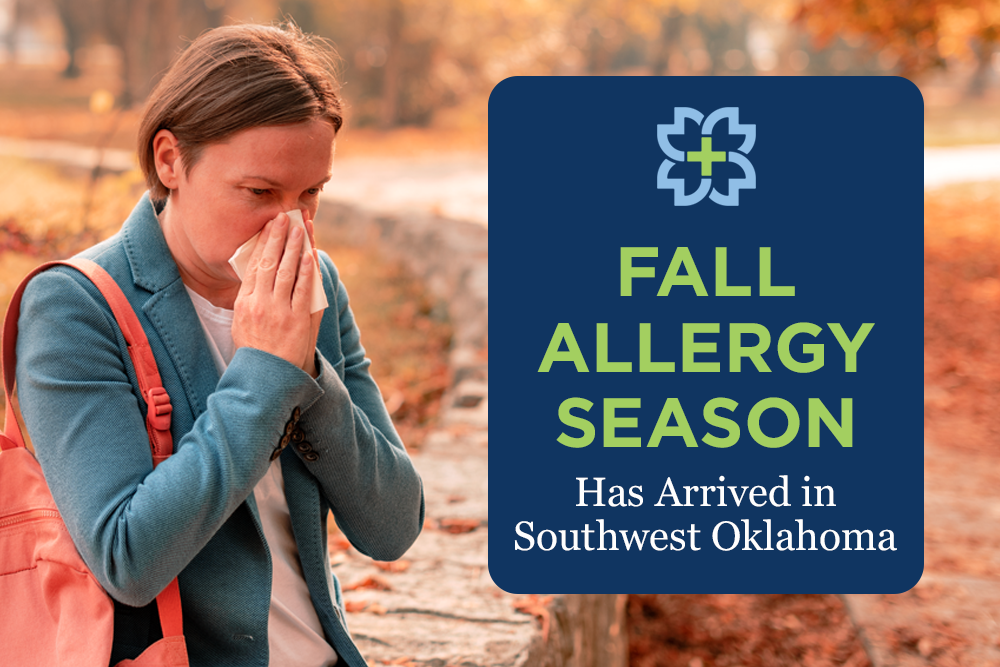
If your eyes have started itching and your nose will not stop running, you are not imagining it. Fall allergy season is here in Southwest Oklahoma, and ragweed is the main culprit. This scrappy weed grows across Comanche County and the surrounding plains, and it releases pollen that travels for miles on a breezy day. The good news is that once you understand what triggers your symptoms, you can take real steps to feel better before the season peaks.
Why Ragweed Takes Over Every Fall
A single ragweed plant can release up to a billion pollen grains, and because those grains are so lightweight, wind carries them well beyond the fields where they grow. Ragweed pollination typically starts in August and continues until the first hard freeze kills the plant, so Southwest Oklahoma often deals with ragweed for two months or longer. Warm weather, humidity, and breezy mornings all push pollen counts higher, which is why symptoms often feel worse right after sunrise. Add southern Oklahoma’s mild autumns into the mix, and it is easy to see why so many Lawton and Fort Sill area residents dread this time of year.
Symptoms That Signal Ragweed is to Blame
Ragweed allergies show up in familiar but frustrating ways. Watch for:
- A runny or stuffy nose and constant sneezing
- Itchy eyes, nose, ears, or throat
- Red, watery, or swollen eyes
- Fatigue or trouble sleeping
- Worsened asthma, including coughing, wheezing, or chest tightness
Some people also notice an itchy mouth after eating foods like banana, melon, cucumber, or sunflower seeds. This is called oral allergy syndrome. It happens because these foods share proteins with ragweed pollen.
Fall Allergies or a Cold?
It is easy to mistake ragweed symptoms for a common cold. A few simple clues can help you sort it out, especially since ragweed season stretches on for weeks. Allergies tend to bring itchy eyes and a clear runny nose. Colds usually come with body aches, a low fever, or thicker mucus. They also stick around for as long as pollen counts stay high, sometimes for weeks. A cold typically clears up within seven to ten days. If your symptoms flare every time you step outside or open a window, ragweed is the more likely cause.
When Fall Allergy Season Peaks in Southwest Oklahoma
Pollen counts usually climb through August, peak around mid-September, and stay elevated until that first hard freeze arrives. Southwest Oklahoma’s warm falls can push that peak later than other parts of the state. That means fall allergy season can linger well past when neighbors elsewhere have already found relief.
Relief Tips You Can Start Today
You do not have to just tough it out. Try these steps to cut down on exposure and ease symptoms:
- Check local pollen counts and plan outdoor time for later in the day, when counts tend to drop
- Keep windows closed and run your air conditioner with a clean filter
- Shower and change clothes after spending time outside
- Start an over-the-counter antihistamine before symptoms spike, rather than waiting until you are miserable
- Wipe down pets that spend time outdoors, since pollen clings to their fur
Small habits like these add up, especially during a season that can stretch for weeks.
When Is It Time to See an Allergist
If over-the-counter medication is not cutting it, it may be time for a real diagnosis. The same goes if fall allergy season seems to hit you harder every year. Dr. Aisha Mohammed at Memorial Health System’s Allergy and Asthma department treats both adults and kids. She can test for specific triggers and build a treatment plan that fits your life, including immunotherapy options for longer-term relief. Call 580.357.9090 or visit memorialhealthswok.com/allergy-and-asthma to schedule.
Breathe Easier This Fall
Ragweed is stubborn, but you do not have to spend the next two months sneezing through it. Knowing when fall allergy season peaks, recognizing your symptoms early, and taking simple daily precautions can make a real difference. And if home remedies are not enough, Memorial Health System’s allergy specialists are ready to help you find lasting relief.
Resources:
Oklahoma Allergy and Asthma Clinic – Ragweed Season: What You Need to Know – https://oklahomaallergy.com/blog/ragweed-season-what-you-need-to-know/
Asthma and Allergy Foundation of America – Ragweed Pollen Allergy – https://aafa.org/allergies/types-of-allergies/pollen-allergy/ragweed-pollen/
Disclaimer:
The Memorial Health System of Southwest Oklahoma (MHS) website does not provide specific medical advice for individual cases. MHS does not endorse any services obtained through information provided on this site, articles on the site or any links on this site.
Use of the information obtained by the Memorial Health System of Southwest Oklahoma website does not replace medical advice given by a qualified medical provider to meet the medical needs of our readers or others.
While content is frequently updated, medical information changes quickly. Information may be out of date, and/or contain inaccuracies or typographical errors. For questions or concerns, please contact us at contact@memorialhealthswok.com.