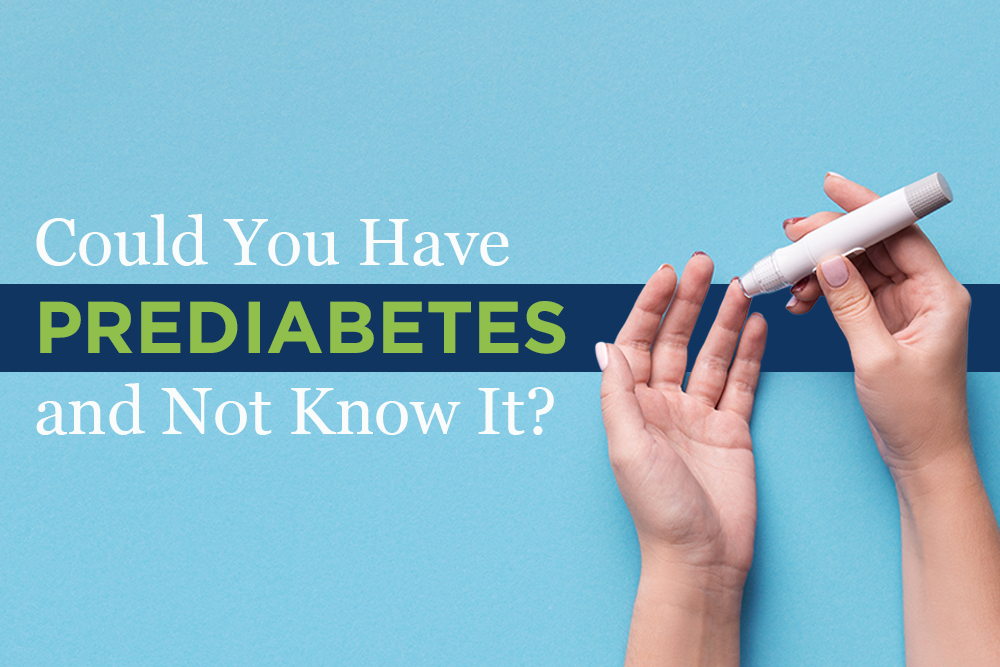
You feel fine. You go to work, run errands, and keep up with your family. Yet your blood sugar could be climbing without a single sign. And that’s the tricky thing about prediabetes. It’s quiet, it’s common, and most people have no idea they have it. Fortunately, it can often be turned around. This Diabetes Awareness Month, let’s look at who’s at risk and the small steps that make a big difference.
More Common Than You Might Think
According to the CDC, 115.2 million American adults have prediabetes. That’s more than 2 in 5 adults. Even more surprising, 8 in 10 of them don’t know it.
At the same time, diabetes itself is widespread. About 40.1 million people in the U.S. have diabetes, and more than 1 in 4 adults with it don’t know they have it. Left unchecked, prediabetes raises your risk of type 2 diabetes, heart disease, and stroke.
What Is Prediabetes?
Put simply, it means your blood sugar is higher than it should be, but not high enough to be called diabetes. In other words, think of it as an early warning light on your dashboard. That said, it doesn’t mean diabetes is guaranteed. Rather, it’s a signal to take action while you still have room to change course.
Who’s at Higher Risk?
Some people are more likely to develop prediabetes and type 2 diabetes. Your risk goes up if you:
- Carry extra weight, especially around your belly
- Are older, with risk rising mainly after age 35
- Have a parent or sibling with type 2 diabetes
- Sit for much of the day and get little exercise
- Had diabetes during pregnancy or gave birth to a baby over 9 pounds
- Have polycystic ovary syndrome (PCOS)
In addition, some racial and ethnic groups face a higher risk, though experts aren’t sure why.
Signs to Watch For
In many cases, there are no clear symptoms at all. For this reason, a simple blood test matters so much. Still, as blood sugar climbs, you may notice:
- Feeling more thirsty or hungry than usual
- Needing to urinate more often
- Feeling tired or having blurry vision
- Sores that heal slowly or frequent infections
- Numbness or tingling in your hands or feet
- Darker patches of skin, often on the neck or armpits
Small Changes for Big Results
Here’s the encouraging part. Healthy eating and more activity can cut your risk of type 2 diabetes in half. Better yet, the steps are realistic. To begin, try these:
- Aim to lose 5% to 7% of your body weight if you’re overweight. For a 200-pound person, that’s 10 to 14 pounds.
- Get at least 150 minutes of moderate activity each week, like brisk walking.
- Stand up and move every 30 minutes if you sit for long periods.
- Fill your plate with fiber-rich foods, such as beans and whole grains.
- Cut back on fruit juice, pastries, and white bread.
Over time, those small wins add up. In one large study, people who lost about 7% of their body weight lowered their risk of type 2 diabetes by almost 60% over three years.
Know Your Numbers
Ultimately, prediabetes doesn’t have to lead to diabetes. Since it rarely causes symptoms, the best step you can take is to ask your provider for a quick blood sugar test. Then, if your numbers are high, you’ll have time to make changes that protect your health for years to come. After all, knowing where you stand puts you in charge of what comes next.
Ready to take that first step? Start by talking with your primary care provider about a blood sugar test. To schedule with Memorial Health LCHC Primary Care, call 580.355.5242. If you’re diagnosed with prediabetes or diabetes, ask your provider for a referral to Memorial Health Diabetes Education. There, registered dietitians and certified diabetes care and education specialists can help you build a plan that fits your life. For questions, call the LCHC Diabetes & Endocrinology Clinic at 580.250.6525.
Resources:
• CDC: Prediabetes, Could It Be You?
• CDC: Diabetes, A U.S. Report Card
• Mayo Clinic: Type 2 Diabetes Symptoms and Causes
• Mayo Clinic: Diabetes Prevention, 5 Tips for Taking Control
• Memorial Health System: Diabetes Education
Disclaimer:
The Memorial Health System of Southwest Oklahoma (MHS) website does not provide specific medical advice for individual cases. MHS does not endorse any services obtained through information provided on this site, articles on the site or any links on this site.
Use of the information obtained by the Memorial Health System of Southwest Oklahoma website does not replace medical advice given by a qualified medical provider to meet the medical needs of our readers or others.
While content is frequently updated, medical information changes quickly. Information may be out of date, and/or contain inaccuracies or typographical errors. For questions or concerns, please contact us at contact@memorialhealthswok.com.