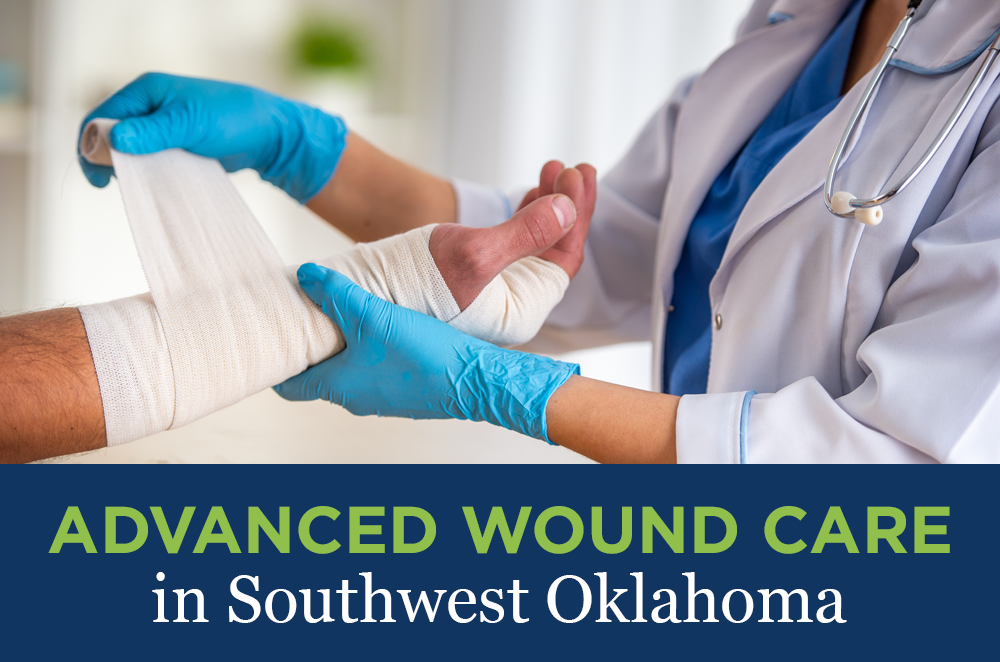
What if a wound you thought was just slow to heal was putting your life at risk? It sounds dramatic, but for millions of Americans, that’s the quiet reality every single day. Good wound care starts with awareness, which is exactly why June marks national Wound Healing Awareness Month (WHAM). That’s also why the Memorial Health Center for Wound Care & Hyperbaric Medicine in Lawton, Oklahoma, is shining a light on this issue now. Too often, chronic wounds go completely unrecognized until serious complications set in.
You might be managing diabetes, recovering from surgery, or caring for a loved one with limited mobility. In any of these situations, proactive wound care is vital. Knowing exactly when to seek expert help can ultimately mean the difference between true healing and a life-altering complication. Let’s dig into what wound care is all about, who’s most at risk, and what you can do right now.
Wound Care by the Numbers
You might be surprised to learn just how widespread chronic wound issues are across the country. These aren’t rare conditions, they’re a growing public health crisis, particularly here in Southwest Oklahoma, where rates of diabetes and vascular disease run higher than the national average.
According to Healogics, the nation’s largest provider of advanced wound care services, more than 10 million Americans are affected by chronic wounds every year. Roughly 1 in 6 Medicare beneficiaries deal with one at some point. For people living with diabetes, the stakes climb even higher. Nearly 85% of diabetes-related amputations are preceded by a wound that simply never healed. And tragically, the five-year mortality rate following an amputation sits at around 50%, a figure that rivals some of the most serious cancers.
Those numbers are sobering. But here’s the important takeaway: most serious complications from chronic wounds are preventable with timely, expert wound care. That’s exactly what WHAM is all about and exactly why Memorial Health’s wound care team is here.
What Makes a Wound Chronic?
Most cuts, scrapes, and minor wounds heal on their own within a couple of weeks. A wound becomes chronic when it fails to progress through the normal healing stages within four weeks. At that point, it isn’t just inconvenient, it’s a medical condition that needs specialized wound care.
The most common types of chronic wounds include:
- Diabetic foot ulcers — Open sores that develop on the feet of people with diabetes, often due to neuropathy and poor circulation.
- Venous leg ulcers — Poor venous blood flow causes these wounds, which typically appear on the lower leg and ankle.
- Pressure injuries (bedsores) — Develop when sustained pressure reduces blood flow to skin and tissue, common in patients with limited mobility.
- Arterial ulcers — Result from reduced arterial blood supply, often appearing on the feet, toes, or lower legs.
- Post-surgical wounds — Incisions that fail to heal properly following a procedure, particularly in patients with underlying health conditions.
Warning Signs: When to Seek Expert Wound Care
- A wound that shows no signs of improvement after 2 weeks
- Increasing redness, warmth, or swelling around the wound
- Drainage that is cloudy, foul-smelling, or increasing in amount
- Darkening or blackened skin at the wound edges
- Fever or chills alongside an unhealing wound
- A wound that is growing larger rather than smaller
Who’s Most at Risk?
Certain underlying health conditions significantly increase a person’s risk of developing chronic wounds. If you or a loved one has any of the following, routine skin checks and early wound management are especially important:
- Diabetes — High blood sugar impairs circulation and nerve function, both of which are critical to wound healing.
- Obesity — Excess weight reduces circulation and puts additional pressure on vulnerable skin areas.
- Peripheral vascular disease — Narrowed arteries limit the blood flow that wounds need to heal.
- Limited mobility — Extended time in bed or a wheelchair increases pressure injury risk substantially.
- Smoking — Tobacco use constricts blood vessels and dramatically slows healing at every stage.
- Age — As we get older, skin becomes thinner and healing processes naturally slow down.
How Memorial Health Wound Care Can Help
At the Memorial Health Center for Wound Care & Hyperbaric Medicine, we don’t take a one-size-fits-all approach. Instead, our team creates individualized care plans designed around each patient’s unique wound, health history, and healing goals. We offer a comprehensive range of advanced wound care services, including:
- Advanced wound dressings — Modern dressings that promote a moist, optimal healing environment while protecting against infection.
- Debridement — The careful removal of damaged or infected tissue to allow healthy tissue to grow.
- Hyperbaric oxygen therapy (HBOT) — Patients breathe 100% pure oxygen in a pressurized chamber, dramatically increasing oxygen delivery to tissues to accelerate healing.
- Compression therapy — Targeted compression to improve venous circulation in leg wound patients.
- Nutritional guidance — Helping patients optimize nutrition to support the healing process from the inside out.
- Coordination with your care team — We work together with your primary care provider, podiatrist, vascular specialist, and other providers to address the root causes of your wound.
Our team includes board-certified wound care specialists who bring expertise, compassion, and the latest evidence-based techniques to every appointment. Most importantly, we meet you where you are with patience, clear communication, and a genuine commitment to helping you heal.
4 Things You Can Do to Protect Your Health
- Check Your Skin Daily
If you have diabetes, poor circulation, or limited mobility, make daily skin checks a non-negotiable habit. Use a mirror or ask a family member to help inspect areas that are hard to see, especially the bottoms of your feet.
- Don’t Wait on a Wound That Isn’t Healing
Two weeks without progress is your signal to seek expert care. Don’t assume a wound will work itself out. Every day a chronic wound goes untreated, infection risk increases and healing becomes more complex.
- Manage Your Underlying Conditions
Keeping blood sugar, blood pressure, and cholesterol under control directly supports your body’s ability to heal. Work with your primary care team at Memorial Health to stay on top of the conditions that put you at risk.
- Eat Well and Stay Hydrated
Nutrition is wound care medicine. Protein, vitamin C, zinc, and adequate hydration are all essential to healthy tissue repair. Ask your care team about a wound-healing nutrition plan tailored to your needs.
Healing Starts with Awareness
Chronic wounds are often called a silent crisis. Not because they aren’t painful, but because so many people suffer through them without knowing that advanced, specialized wound care exists. This June, Wound Healing Awareness Month is your invitation to change that.
Whether you’re personally dealing with a wound that just won’t heal, or you’re a caregiver watching someone you love struggle, you don’t have to face it alone. The wound care team at Memorial Health Center for Wound Care & Hyperbaric Medicine is here in Lawton, ready to partner with you on the road to recovery.
Early care is better care. And better care means better outcomes. Let this month be the turning point.
Resources:
https://wham-abwmfoundation.org/
https://www.healogics.com/media/healogics-marks-30th-anniversary-during-wound-care-awareness-month/
Disclaimer:
The Memorial Health System of Southwest Oklahoma (MHS) website does not provide specific medical advice for individual cases. MHS does not endorse any services obtained through information provided on this site, articles on the site or any links on this site.
Use of the information obtained by the Memorial Health System of Southwest Oklahoma website does not replace medical advice given by a qualified medical provider to meet the medical needs of our readers or others.
While content is frequently updated, medical information changes quickly. Information may be out of date, and/or contain inaccuracies or typographical errors. For questions or concerns, please contact us at contact@memorialhealthswok.com.