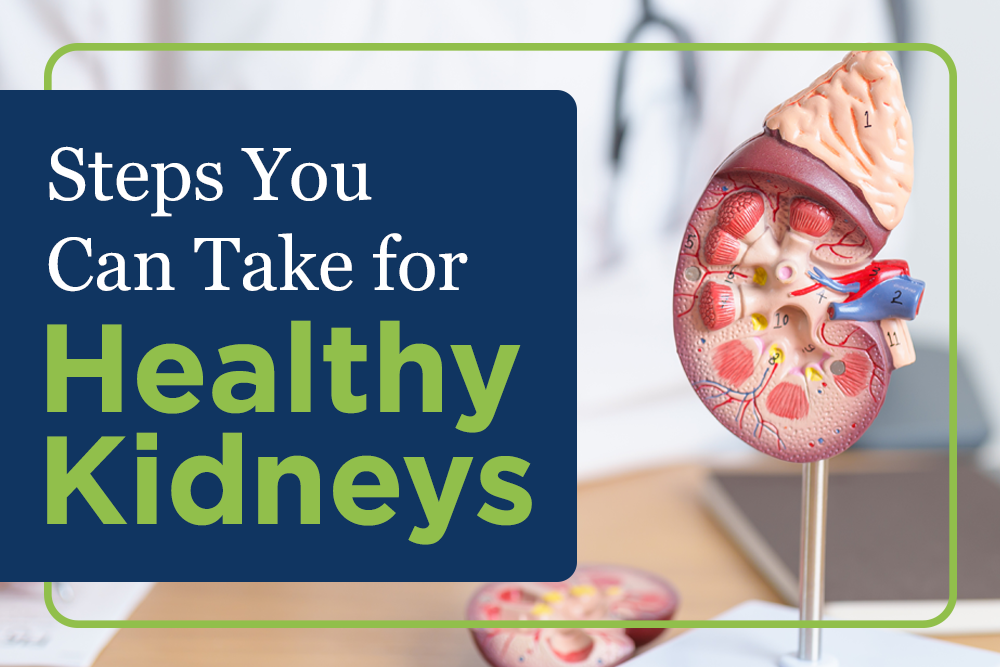
March is National Kidney Month. It is a time to focus on two small but mighty organs. While they work quietly behind the scenes, maintaining healthy kidneys is essential. They filter waste and regulate your blood pressure every single day.
High blood pressure and diabetes are very common in our community. Understanding how to protect these vital organs can lead to a longer, more energetic life. Let’s look at the primary risks and how small changes can make a big difference.
Diabetes and Blood Pressure
High blood pressure and diabetes are the leading causes of kidney disease. When blood sugar levels stay high, they can damage the delicate filters inside your kidneys. Over time, this damage prevents the kidneys from cleaning your blood properly.
Similarly, high blood pressure puts too much force on your renal system. It is a circular problem. High blood pressure damages your kidneys, and damaged kidneys make blood pressure harder to control. Managing these conditions is the most effective way to keep your kidneys functioning well.
Daily Habits for Supporting Healthy Kidneys
You do not need to change your entire life overnight. Consistency is more important than perfection. Start by monitoring your blood sugar if you are diabetic. You should also check your blood pressure regularly at home.
Staying active also helps your body. Even a 20-minute walk around the neighborhood improves circulation. Finally, remember to stay hydrated. Drinking enough water helps your kidneys clear sodium and toxins. This is a cornerstone of maintaining healthy kidneys.
Low-Sodium Swaps
We all love our comfort food, but many traditional dishes are packed with salt. Excess sodium causes the body to retain water. This raises blood pressure and strains the kidneys. Choosing low-sodium alternatives is a simple way to promote healthy kidneys while still enjoying savory flavors.
Instead of Salt: Use fresh garlic, lemon juice, or onion powder.
Instead of Canned Vegetables: Choose fresh or frozen options. If you use canned, rinse them under cold water to remove excess salt.
Instead of Salty Breading: Try herb-crusted baked chicken. Use panko breadcrumbs and smoked paprika for a savory kick.
Instead of Bottled Dressings: Mix olive oil with balsamic vinegar and cracked black pepper.
These small adjustments preserve our local cuisine while protecting your health.
Know Your Numbers
The most important step you can take this month is to learn your kidney numbers. Kidney disease often has no symptoms until it is advanced. A simple blood test called a GFR and a urine test can tell your doctor how well your kidneys are working.
During your next primary care visit, ask your provider to check your kidney function. It is a quick addition to your routine labs. This provides peace of mind and allows for an early head start on treatment.
Taking Charge of Your Health
Your kidneys do so much for you. By managing your blood pressure and making mindful food choices, you can maintain healthy kidneys for life. This means more time spent with family and more energy for the things you love. Share this guide with a friend who might need these tips. Let’s work together to make our community healthier.
Resources:
https://www.niddk.nih.gov/health-information/kidney-disease/chronic-kidney-disease-ckd/prevention
Disclaimer:
The Memorial Health System of Southwest Oklahoma (MHS) website does not provide specific medical advice for individual cases. MHS does not endorse any services obtained through information provided on this site, articles on the site or any links on this site.
Use of the information obtained by the Memorial Health System of Southwest Oklahoma website does not replace medical advice given by a qualified medical provider to meet the medical needs of our readers or others.
While content is frequently updated, medical information changes quickly. Information may be out of date, and/or contain inaccuracies or typographical errors. For questions or concerns, please contact us at contact@memorialhealthswok.com.