
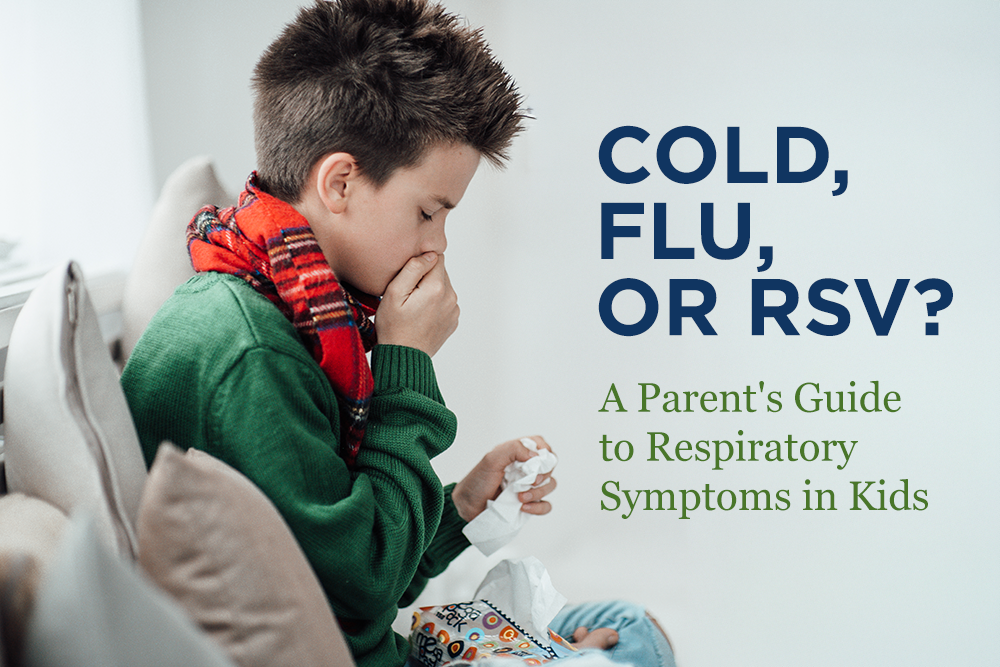
A Parent’s Guide to Respiratory Symptoms in Kids
As the temperatures drop in Southwest Oklahoma, our families naturally move indoors. Between school days, holiday programs, and playdates, our little ones share more than just toys—they share germs. At Memorial Health System, we understand the worry that sets in when your child starts sneezing. Parents often ask: “Is it a cold, flu, or RSV?” To help you navigate the season, we have broken down the “Big Three” winter bugs, how to fuel your child’s immune system, and when you should seek emergency care.
Identifying Cold, Flu, or RSV
While these illnesses all begin with a runny nose, they affect the body differently. Therefore, recognizing the specific signs helps you respond quickly.
The Common Cold: This virus usually stays mild. Your child typically experiences a stuffy nose and a slight cough, yet they maintain enough energy to play.
The Flu (Influenza): The flu strikes suddenly and aggressively. It triggers high fevers, body aches, and extreme exhaustion almost overnight.
RSV (Respiratory Syncytial Virus): While older kids handle RSV like a bad cold, it poses a greater risk to infants. Specifically, it causes “wheezing” or whistling sounds and a deep, barky cough.
Red Flag Symptoms
While most respiratory bugs improve with home rest and hydration, some symptoms signal that a virus has become dangerous. Parents should monitor their child’s breathing and energy levels closely, as these are often the first signs that a standard “winter bug” has escalated into a medical emergency.
When to Contact Your Family Physician
If your child shows mild symptoms, your first call should be to your family physician. You should schedule an appointment if:
- A fever lasts for more than two days without improvement.
- A persistent, hacking cough disrupts your child’s sleep or daily activities.
- Your child complains of ear pain or intense sinus pressure.
- Their appetite decreases significantly, even if they are still drinking some fluids.
- Symptoms seem to improve for a day or two but then suddenly return with a higher fever.
When to Seek Emergency Care
In contrast, certain “Red Flags” indicate that your child needs immediate care at the Emergency Room. Seek emergency medical attention immediately if you notice any of the following:
- Labored Breathing: Look for “retractions,” which occur when the skin sucks in around the ribs or the base of the throat with every breath. You might also see their nostrils flaring wide.
- Dehydration: This is a major risk when kids feel too sick to drink. Watch for a lack of tears when crying, a dry mouth, or fewer than three or four wet diapers in a 24-hour period.
- Neurological Changes: If your child becomes extremely lethargic, acts confused, or is very difficult to wake up, they need an immediate evaluation.
- Color Changes: A bluish or grayish tint around the lips, tongue, or fingernails indicates that your child is not getting enough oxygen.
- Unresponsive Fever: Seek help if a very high fever does not drop after administering the appropriate dose of ibuprofen or acetaminophen.
Scrub Away Those Germs
Handwashing remains your child’s #1 defense against a winter cold, flu, or RSV. Because kids constantly touch shared surfaces at school, you must reinforce proper technique to stop germs in their tracks.
To make this a habit, encourage your children to scrub for at least 20 seconds. You can make this fun by having them sing “Happy Birthday” or the “ABCs” twice through. Furthermore, ensure they scrub the backs of their hands, between their fingers, and under their nails where germs love to hide.
Boost Immunity Through Nutrition
In addition to hygiene, good nutrition builds a strong internal defense. You can support your child’s immune system by offering these kid-friendly, seasonal foods:
- Vitamin C: Offer red bell peppers, strawberries, and kiwis. These foods help white blood cells fight off infections more effectively.
- Vitamin D: Since we see less sun in the winter, serve fortified milk, yogurt, or eggs to keep immune systems resilient.
- Hydration: Even in cold weather, children need plenty of water. If they refuse plain water, try offering warm herbal tea with a splash of honey or diluted fruit juice to keep them hydrated.
We’re Here for Your Family
Memorial Health System proudly serves the families of Southwest Oklahoma. Whether you are dealing with a cold, flu, or RSV, our providers stand ready to help you navigate the recovery process. By staying proactive with handwashing and nutrition, you can keep your family thriving all winter long. If you have concerns about your child’s symptoms, contact your primary care provider today.
Resources:
https://allergyasthmanetwork.org/health-a-z/rsv-respiratory-syncytial-virus/
Disclaimer:
The Comanche County Memorial Hospital website does not provide specific medical advice for individual cases. Comanche County Memorial Hospital does not endorse any medical or professional services obtained through information provided on this site, articles on the site or any links on this site.
Use of the information obtained by the Comanche County Memorial Hospital website does not replace medical advice given by a qualified medical provider to meet the medical needs of our readers or others.
While content is frequently updated, medical information changes quickly. Information may be out of date, and/or contain inaccuracies or typographical errors. For questions or concerns, please contact us at contact@ccmhhealth.com.